
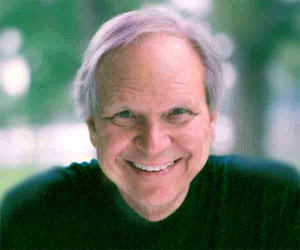
 I recently posted a 50 minute interview I did with Bill Young, a voiceover legend. If you are more interested in reading the interview I have provide a transcript below.
Michael Brandvold Interviews Bill Young
Michael Brandvold – Hello, this is Michael Brandvold from Michael Brandvold Marketing, and on the other end of the line, I have got somebody who – to me – is an absolute legend in the concert space and radio space for sure.
Bill Young – Wow!
MB – We’ve got Bill Young from Concerts.com on the phone. How are you Bill?
BY – I’m Fine! Hi Micheal, how are you?
MB – Real good, real good… and you know honestly, I have to say “legend” because.. as a little kid growing up listening to concert ads and all that type of stuff, I was always impressed with who was behind these amazing ads. They sound so great! You know I would see the Ad Mats in the newspapers – when people used to read newspapers – and magazines, and you know the design.. and.. I was just, I would be like “I don’t want the band poster, I want a poster of that CONCERT ad!”
BY – *laughs
MB – To me, THAT was cool. And, I mean, the ads themselves, I mean I still remember to this day – I don’t know whether you did this ad or not – but when I first heard the “creatures of the night” tour ad for KISS when they were coming to Minneapolis to play at the MET Center…
BY- That’s right, I sure did!
MB – I heard that ad on the radio, and I went ballistic, because I was little kid and was that like… that was going to be my first time seeing the band. And that’s how… back then – and you probably agree – that’s how you learned the band was coming to concert. All of a sudden you heard the ad on the radio and you’re like “holy crap!” I had no idea what was going on.
BY – You know there was some research done at one time, and those were the highest interest commercials on the air (for our audience) – I don’t really remember where that came from, but..
MB – I would believe that in a heartbeat, because I remember it: Once I heard the ad, then I would get my tape deck, and I would get a tape into the tape player and I’d position it right in front of my speakers. And you know, this is way back before you could just do dumping from one line to another line. And as soon as I… I was waiting for the ad to come back, because I had to have my own recording of the ad for the show. And I’m sure I’m not the only person who has ever done this – you hit the “play” & “record”, and you’re recording that ad. I’ve probably still got it buried, that cassette, somewhere in my closet somewhere…
BY – A few weeks ago, I had someone up in Oklahoma – or somewhere up in there – that sent me a recording of about 20 or 30 of my commercials over the years. And I’m thinking “what in the world?” I didn’t even save these things! There’s some collector out there has it.
MB – Oh yeah, I love collecting that stuff! We’ve gone over previous to this some of my history – I launched and built KISS’ official website “KISS online” – and one of the things that I reached out towards the fans to do was to send me the ad mats and the recordings of the ads, because I would put them up on the bands website. So you could see the ad mats from KISS playing Louisville, or you could see the concert recording for the show in Detroit, or Muskegon Michigan or whatever it might be. It was just… it’s just very cool little bits of… history, is basically what it is! I love collecting that type of stuff, ad mats, concert mats, posters and stuff like that!
BY – Good for you!
MB – Anyway, let’s get into some questions here. What I want to do is kind of pick your brain, little bit about who you are, a little bit of history… but then, what kind of tips and advice might you be able to provide to young upstart bands out there who have to do their own promotions? So let’s just kind of start off… how did you move from radio to concert advertising?
BY – You know in the late 50’s I was programming at a little radio station in Tyler, Texas, population about 50,000 people, and I discovered this radio station out of Dallas, by the name of KBOX. It was a Balaban station and it went up against KLIF which was the big powerhouse in Houston and Dallas at that time. And this radio station was Just. Over. The. Top! and I had never heard anything like it before in my life, and so I became a real fan. One of the disk jockeys from KBOX, was originally from Tyler! So he came to town and said he wanted to do a concert, he wanted to bring Chuck Berry to town. And he recorded this commercial for the Chuck Berry concert at Tyler, Texas, and I had the same response you were just talking about. It was just an epiphany for me. It was the most exciting thing I had ever heard of. Nothing like the commercials that we had to run. And I thought – even in my early twenties – I said “I want to do just that.” Well, I came to Houston as program director – Jump forward to about 1965 – and I come down here and the radio station actually did their own booking! The previous summer they had brought The Beatles to town at their expense. And so, right after I came, the Manager said “alright, this year we’re going to bring The Rolling Stone to the Houston Colosseum”. Well I was program director, so guess who got to do the commercials?
MB – *laughs
BY – So I got to do the first commercial – that I had ever done – for The Rolling Stones…and it was magic. God I put everything into that spot.
MB- Do you still have those spots?
BY- I do not. And you’re not gonna believe this Michael, but I saved nothing. I have none of my commercials. Believe it or not, the other night I was on Facebook and of course since I came out with my book, I’m getting a lot of emails and various things – people seem to have connected with the book – and all of a sudden I get this tape from a fellow up in Texarkana, Texas of all places, which is a rather small market. and it was a beautifully packaged.. probably 20min of my commercials edited together, and I got chills up my arms…
MB – Wow, that’s so cool!
BY – And hearing all of these commercials that I had done – I didn’t even remember some of them! I know they were my voice, but golly, there was some wonderful stuff from KISS, even after all this time.
MB – Well you know, one of the things that’s great about Social Networking now is that you can just put the word out “if you’ve got ads, send them to me”. You would probably be surprised, you’ll get so much stuff sent in.
BY – That’s right, that’s right.
MB – Anyways, so you started.. you did the first ad for The Rolling Stones in Houston you said…
BY – and then all of a sudden an interesting thing happened. The second show was just few weeks later, and it was The Animals and Hermans Hermans.. believe it or not that was the bill.. and all of a sudden we started doing more concerts, but the dynamics changed a bit. Instead of the radio stations actually booking those concerts, we would get other promoters, they would come into town and do shows, and the they had heard these commercials and would say “we want you to do commercials for us!” So I would do the commercials for the Houston shows, but they would say “we haven’t been able to find anything like this anywhere else, would you do them for these [other] markets?” So all of a sudden, within a year I was doing them for concerts for all over the West, all over the Country literally.
MB – Wow.
BY – Well, I say all over the country but they were primarily in the Western part of the US, from Seattle to San Diego to Los Angeles. So I’m doing these tours and by that time they were doing massive amounts of shows – I mean everything from Frank Sinatra to just a very large group of artists, from rock to everything! So anyway, I had this broad base of this one client. And then a few years later, here in Houston, there was a promotion man that called me from one of the big houses here in Houston with a number of labels he promoted. And he came over one day and said “I’m going to start my own band”. And I thought “Yeah right”. So he did, he put together this band, and that band named themselves ZZ Top.
MB – *laughs
BY – And they said “we want you to do all of our commercials for all of our tour dates.” Well, that was the first time I had really had a show that went nationally. Well once that happened, then all of a sudden I’m getting calls from promoters from all over the country saying “let’s do the same thing.” All of a sudden , within a matter of the first two or three years, at least 2/3rds of my income was coming from doing these commercials!
MB – Wow!
BY – and I was still programming this radio station, and this was a big radio station! It was owned by Gordon Mclinden, who was one of the biggest operators, and we were the number one radio station in town. I had obviously a full plate there, but I could sit there late in the afternoon and do these. What I would do – by now I’ve mentioned this, but they would say “we want you to do the whole tour.” – so I would create one or two spots (commercials we called them), and I would do those and do them on multi-track machines so that I could go back in when they went to a different market and all. All I really had to change would be the date, the venue, the city and the ticketing information! So I could do them for presales “tickets go on sale this Saturday” and “tickets are available now” and “this show is this Saturday..”
MB – Right, right, there would always be 3 or 4 different versions for the same show.
BY – That’s right. So all of a sudden 2/3rds of my income was coming from this little side-business of doing that. I stayed at the radio station as program director for 15 years. I know that’s kind of a record of sorts.
MB – Even after having all of this business on the side, you continued for 15 years. Wow, that’s great.
BY – Again, I hate to say this, but I never really considered that doing those things was real business. It was almost like free-lance talent work. Which we would do.. you know, the Ford dealer would want us to do commercials for him.. well, okay, so its concert. Well I enjoyed doing them more than I did the Ford spots.. but… Anyway, so all of a sudden after 15 years I left the radio business, and now I’ve got to make it work. So I started out using a friend of mine who I had worked with at the station earlier who had a recording studio, and continued to do commercials. To be honest – and this is really kind of a personal issue – I was worried that I was doing all of those commercials because I was at a big name in the radio industry. And in fact, when I started talking to – you know I called each one of the promoters, pace concerts at the time, and the group out of Seattle, and a company out of New Orleans called Beaver Productions – I had done all of the work for all of those companies.. so I called each one of them and told them I was leaving my radio job, and that I hoped they stayed with me. And everyone said “Oh my gosh, Great! Now we can use you for all this other stuff!”
MB – *laughs
BY – and so I go “wow!”. And then all of a sudden we started picking up some big players, like John Shure from New York, the other promoter from New York, and other promoters from New York… it went crazy. At the time we were still doing “radio only” promotions, and my primary competitor was Joe Kelly out of Chicago. But Joe ran a very conventional kind of recording studio: he had an engineer, the copy was written and he would walk in and sit and read the copy lines, and then they would mix them down, and then they would mail them to the concert promoter. At this time that was okay, because if an artist came to town they had to manually scale the house. I don’t know if you were around during those days, but that meant that if they were going to come let’s to say the summit here in Houston… and they had their show, the things they are staging would differ. The speakers might cut off 200 seats over here, or 20 over there. So the tickets couldn’t be printed until they could scale the house. So that gave a lot of time before you had to do things. It would take time to do that, and then they would have to manually print the tickets, and then distribute them out to 8 or 10 different ticket locations. So there was plenty of time from the time you booked the show and when you could go on the air with commercials, or any promotion of any kind. All of a sudden all of these three things started happening. First and foremost was, you know, you had overnight delivery of commercials or other things. I mean here’s this little company out of Memphis Tennessee that’s flying things in on a day to day basis. At the same time, these two kids over in some college in Arizona come up with the idea of computerized tickets. We didn’t have anything like that! We had to hard print them. So that happened just about the same time as everything else that was going on. And in the mean time, we developed a way that we can ship these spots to radio stations and have them there by tomorrow morning. So all of these things came together at one time. In the meantime, I am sitting in the room by myself and they are bringing me 50 markets for KISS or whatever. And I would build a music track – music was the first thing – and you know, everybody else had been doing commercials like this by creating copy, and then the music was built around that. I did it the opposite way, I built the music track that made sense. It was logical, it was musical, it was THAT artist and what they did.
MB – Were the artists giving you any input up front as to “this is the kind of…”
BY – Oh yeah, absolutely.
MB – They would say “these are the songs to use, and DON’T use these songs…”?
BY – Oooh, there were many an eleven o’clock call at night and someone would say, you know, “Hi, this is Billy Gibbons, can we talk a minute?”
MB – *laughs* And you know what that’s gonna be about.
BY – Believe it or not my wife would sometimes….. the phone would ring at night and say “go to the other room.”
MB – *laughs
BY – So it was yeah, it was a real fun kind of thing. You know, sitting on such stories that I can’t even recall at the moment. Fortunately I was able to put many of them in the book, but there are zillions more, you know, funny things would happen. But it was a wonderful time, and we built that. And eventually as the company got so big, we added in TV commercials just about the time that MTV became a force and became a new way to promote concerts. Then we needed to do print ads, because they would run of course run blitz and Sunday papers everywhere. Then we went into internet, cards, we would send out emails. Some artists as a matter of fact, would even now will go to their fan club and do a blitz before even the record goes on sale. So there’s all kinds of things that we’ve been able to develop for our customers and that they brought to us.
MB – And you’re still kind of the defacto, go-to player for all of this in the industry, after all these years. Aren’t you?
BY – I think so. Obviously some of the promoters have gone in on their own, but we’re still the only one that actually does it in the house. A lot of that work is now free-lance – a voice over here, and then someone else does the music track over here. We don’t do that. And the reason we don’t do that is for the very reason that I was talking about before. When you have a passionate person sitting in the room building the music track, doing the voice, laying it all down, it’s just a whole different ballgame.
MB – you’re exactly right. That passion can be heard in the ad, it can be read in the print ad, you can just tell…
BY – and that’s all the difference!
MB – it is!
BY – That’s the difference in everything! That’s the whole deal. I mean, this is music we’re selling. This is a creative kind of thing, and it should not just be a factory thing. But so much of our world is becoming that way.
MB – So this kind of brings up – I mean I still want to go back and talk a little bit more about your history – but one… sounds like one good thing, or tip or advice to bands who are having to produce their own ads, fliers or whatever it might be, who has got a nephew, a cousin, an uncle who does graphic arts…. Maybe what you really need to do is find somebody who is actually passionate about your band, and have THEM do it, as opposed to somebody who is just a graphics wiz but isn’t as passionate about the music. You know, that comes through in the final outcome.
BY – There is absolutely no question. I’m a study…a real student of great advertising. And you can tell when the people who are doing the writing, the people who are doing the TV commercials or whatever… you can tell the difference between someone who really is putting themselves into that. Same way that an artist does with his music. Good gosh! Selling that music should be at least as important as all those other things. And frequently just that’s thrown… well, I don’t mean to criticize, but it’s really not the way we wanted to do things.
MB – Right, I mean, it’s as you said, a lot of companies just free lance it out to somebody who is technically very skilled at it. No questions there: they are great designers, they’re great video editors, they’re great voiceovers, great audio editors. But you know, having a very keen talent doesn’t necessarily mean you have the ability to inject that little extra…whatever it might be… that gets someone excited about that ad.
BY – that’s everything. I mean I was blessed with a …pretty good voice, but I would certainly say there are better voices out there than me. And there for awhile at least – and still to some extent – that the whole thing about doing a rocket rule radio commercial was “how deep can your voice go”. *grunts
And that misses the whole point. Music is about passion, and passion drives the voice. And so the one thing that I enjoyed the most about this business, was that I could fashion my delivery and even the writing skills, to a particular artist, and not just leave it into “everything gets plugged into the A list and B lines” – you understand what I’m saying?
MB – Mmmhmm.
BY – It just becomes cookie cutter.
MB – So this brings up a question I have then. If an artist came to you and said “we want you do to some ads for us” and it was an artist you did not like, you couldn’t stand the music… how would you approach that?
BY – First and foremost, that’s an interesting thought. I don’t think that I’ve ever encountered anything like that. There were some artists that I did not know their work as well as I did others… but you know, it would be like if you were … if you were a good advertising person, someone added you, and said “we want you to do a billboard out here, on Luke 3:23”, or whatever, then that’s YOUR showcase. So you want to do a good job from your own stand point first… I mean, I say first, but the two go hand in hand. If I do something good that I am pleased with, unless I am way off grounds with the strategy of that particular group, then I am really doing a service… I am doing the best work I can do. I’m doing it for them, yes of course, but first of all I’m doing it for me. I’m doing it in the sense that it is a reflection of my work, and it may be the last thing I ever do. So I want it to be a good one.
MB – I would also guess that because you came up through radio, you are first and foremost a music fan. You love music.
BY – oh absolutely!
MB – so therefore that’s going to be carried through in anything you do. It’s not like somebody who just went to college to be trained to become an audio engineer, but isn’t really a big music fan. Maybe they love books? But you know… so there, you already have an inherent passion within you to begin with.
BY – that’s an interesting point, because you know, we have a very large facility. We own two facilities here in Houston, and our main building has about 25,000 square feet! It’s a big place, we have 50 employees over there! Doing what we’re talking about. So it’s not just some little… you know, guy with a microphone doing these things. We have a visual art department, we have a …. For instance to give you an example, this is many years ago, but I had a call from… a major artist from England – I’ll think of it in a moment. Anyways, his manager called me, Very British, “we want life size posters up in New York, in Times Square. The problem is an artist has come in and done a full body size, and it’s 5 feet tall. We need a 7 foot tall one.” And now, he’s calling me from New York City! I said, “You can’t get it done there?” and he says, “No.. no one will take… We need it for Monday, and it’s now Thursday afternoon.” And I said “you know, I’ll do my best.” We delivered Monday morning these 7 foot tall posters of one of The Beatles – that’s who the artist was, when he was doing the solo act. And so, meeting those kinds of things.. I mean, to me, that’s like the best thing in the world you can do. I love doing that. Absolutely the whole staff would cheer when we would deliver those kinds of things. It was that kind of passion for what we were doing, and it still is.
MB – is there a particular band or genre of music that you really enjoy working with, because you can be so much more creative with them?
BY – you know, I think if I did one type of work all the time – I never did, and I’m 71 now – I never got tired of that, but I will say this. That when I was handed opportunities that I had never encountered before, there was a new freshness to it. For instance, here I am doing AC/DC and ZZ Top, and all of these myriad acts, and all of a sudden I got Sir Michael Crawford handed to me. Okay, now obviously these things aren’t going to be the same spot, but from a creative standpoint, can you imagine the opportunity to do something like this? Or like Barbra Streisand? I mean that tour! Those are big deals. Particularly when you’re already worried if your work is being pigeon holed here with one more grunt grueled deep voice thing after another, and you’re given an opportunity like that. So, you know, if the artist is doing something creative, then DAMMIT, I need to do something creative to represent their work.
MB – sure. How much of the voiceover work are you still doing?
BY – oh, I don’t do that much anymore. Probably less than 2% if you want to know the truth.
MB – Do you have certain clients who are just… insist “it’s gotta be Bill doing my ads”
BY – I’ve had those like that… but the real key is that we have on staff there’s probably 7 or 8 voice talents here, and then we have access to others that do specialized things for us that come in.
MB – is there anything you look for special in somebody’s voiceover talents in the voice? You know, is there something where you just hear it and go “that’s a…”
BY – oh yeah, absolutely. But it’s not always “it”. When you “it”, is it ready to go? No. But the raw material is there. It’s like seeing a young baseball pitcher and you know and he’s 12 years old, and boy he is doing it right, but just a couple of things.. if he would work on these…
MB – So you might bring people in and kind of train’em and groom’em because you know they are going to be great in a few years.
BY – oh yeah, and unfortunately, some of those guys go out and become competitors! *laughs
MB – *laughs
BY – but it’s been interesting, even those people. And I had… an email the day before yesterday, from one of those men who had worked for us and then went out and did something on his own. He said “I got to tell you”… well, in a confidential way he said to me… well, it was wonderful to hear.
MB – So let me ask you, you know, if a band is putting together – you know, we talked about the passion, but – if a band is putting together a flier, a newspaper ad, a radio ad… are there a couple of things that you could say: “these are things that you should really try and do, this is what works” or “these are things that don’t work, but I keep seeing’em in other people’s ads” You know, are there a couple little tips of what will grab a potential concert goers attention and make them say “yes, I’m going to pull out my credit card and go to their show.”
BY – well, assuming that this… well are we talking about someone that has already a name, or somebody that’s brand new? Or either one?
MB – I would say either one, you know? Definitely I don’t want to ignore the new unknown bands that are playing a club to 50 people, a 100 people. But, what can they do to make it look like “oh my god, I have to go see these guys, cuz this ad just… I don’t know… excited me.”
BY – You know, I think, and I’m not sure this is going to answer you question, but it comes to mind as you say it. There’s a lot of music artists right? A lot of bands.
MB – sure
BY – What’s the difference between those bands? The artist is the ONLY ONE that can see that difference ….explicitly. Does that make any sense?
MB – yeah.. I think so.
BY – All of us out there driving down our cars that are hearing these artists, those subtle little differences are not as big to us they are to that artist. That artist knows “here’s what I want to do, and here’s how it is different.” I want to be able to help them sell THAT difference, because that difference is their future. Otherwise they just become another one like…them. Sounds like them. Does that make sense?
MB – Mmmhmm.
BY – So unfortunately – and this bothers me more than anything, because you know, obviously we’ve been successful, that has drawn a lot of competition. A lot of radio people go out and just say “okay, I just want to do this…and I’ll put my shingle up and we’ll do them.” And they’re doing things that were done 10- 15 years ago, with the same BIG DEEP VOICE and you know, and it’s all… it doesn’t matter who the artist is, it’s all going to SOUND LIKE THIS, with Bob over here and James over here… but it’s the same presentation. The first thing that needs to be done is there needs to be some kind of uniqueness to the presentation. And I’m talking about their musical presentation, not just in the music, but in the way they are seen on stage, they way they build their attitude – attitude is to me a good word, because it is what the band exudes you know? And well, all of the advertising needs to fit that. To just have a cookie cutter commercial, or a billboard or album cover? It just misses the whole point of what you’re trying to accomplish in your music… at least to me it is.
MB – right.
BY – So I always tried to define that thing that was different about the artist.
MB – I think this all still comes back to the very first point. It’s sort of understanding the passion, understanding what’s going on. This isn’t something where you can sit here and say “here’s four rules of building an ad mat for a show”, because there are no four rules. They can vary… they SHOULD vary for every different band.
BY – You know, there’s an interesting thing, and I don’t need to get too deep here, and it may not be anywhere you want to talk… but at one point in my early life, I went through kind of a.. one of those tough rocky roads…you know where.. on a personal basis. And I really was having some nervous issues, I mean I was just really freaking out over little things all the time. And my family doctor – I went in with the case of the flu – and some how we got off onto this discussion “well, things aren’t going alright with my life..” you know, the kind of things we all have in moments. And he handed me a book, and it was called “The Science of Psycho-Cybernetics” by Dr.Maxwell Malts. Now this is a long way from a rock and roll concert.
MB – *laughs
BY – But…when I read the book, Dr. Malts was a surgeon. What he found… he would go in and do this surgery on a persons face, or something they wanted to get rid of, but not on their whatever… and so he would take those things off, the person looked better, but the person could not let go of the person they had seen in the mirror for so long. So they still had this… they felt like they looked ugly, when in fact he had done all this work and they didn’t look ugly anymore, but they still thought they did. Now this is a long way… what does this mean to a radio spot? Because what it did mean…. Was that…he said…Dr. Malts said “rehearse being what you want to be. Rehearse it. And then go away, and do it for a while, and go away and do what you were going to do, and all of a sudden that rehearsal starts taking over.” What I do when I’m doing a commercial, is I… when an order first comes in, is I go get that persons or that artists music. I sit there and listen, and listen and listen. And I get what they are doing. And I walk away from it, totally walk away…because I am consciously trying to figure out what to do with this band. But the conscious the side of the brain is our input side, that’s where we take in information. There’s another part of our brain, that he said, actually solves things. So I would get in the morning a commercial, they’d say “we want to do this, we want to this and dadada” and I would sit and I would read all of it and just do everything I could do with it, and then I would sit it aside, literally put over in the shelf. And then about 4 o’clock in the afternoon, I would go back and pick it up, and it was almost like that copy had been written.
MB – Hmm!
BY – And the first time it happened to me I felt like “where did that come from? I don’t even know these words!”
MB – Right.
BY – So “The Science of Psycho-Cybernetics” is what it’s called, and it’s…this is a strange thing to be talking about.
MB – No, you know, I can definitely… you know… relate to it in a sense because I find that when I try to sit down and force myself to be creative dealing with somebody’s online marketing efforts or building a website for them, you can’t force yourself to do it.
BY – You can’t.
MB – You need to take it all in, but where…where the ……ideas hit me is when…later in that afternoon I’m out riding my bike, just relaxed, just chilled, and all of a sudden BOOM the idea hits me and you’re like “brilliant! That’s it”
BY – and that book is called “The Science of Psycho-Cybernetics” and that’s exactly what he says. Because when we’re consciously inputting stuff, we can’t … the outside… well, you know, things can’t come out of the same brain. You can only do it when you input all those things, and then relax and let your mind do what it … what it was gifted for it to do.
MB – and we thought this was just all about rock and roll and music. *laughs
BY – *laughs* No but it is…I think great artists probably will tell you they do the same thing. They will work on a riff, and go on and on, and you can’t make it fit… and all of a sudden they will wake up in the middle of the night and go in and it’s there.
MB – well exactly, that’s what I was going to say… that’s why you’ll hear so many people say “keep a blank piece of paper sitting next to you in the bed, or in the car.” Because when that idea hits – or now with your iphone – record that thought, right then and there. And I’ve done that now, it’s like I get up at 3 in the morning and I write down an idea and I’m just like “wow, that’s…that’s just perfect. That’s exactly what I need.”
BY – and you are… and I’m glad we talked about this, because it’s been something that I have not done much of over the years, but it’s exactly the way I… I was able to do….I mean, we were shipping 100,000 commercials a year, and that’s not an exaggeration.
MB – WOW, that’s a lot.
BY – and we were turning them in just everyday. You know we still had 50 employees, what do we have 50 employees doing? Processing the backside of what we’re doing is an important thing, getting those spots there at the right time and getting them labelled correctly. And getting the ad mats to fit’em at the same time and the… you see what I’m saying?
MB – Yeah.
BY – All of these people are all working in the same way, because each medium is different.
MB – Oh yeah, yup. Ya.. you know, we’ve been on the phone for almost 45 minutes and …
BY – Oh my gosh, I’m sorry.
MB – No no no no! Not at all! Because I’ve totally enjoyed this! And I don’t want to monopolize your time…
BY – No, I’m sorry
MB – …but I want to see the..the… new….way of advertising is no longer radio, tv, and magazines. It’s Facebook, twitter, and email. You know, what.. what is your thought? How have you changed the…the… method…the… what you’re delivering.
BY – Could you hang on for one second? *goes away*
MB – Sure.
BY – Okay, I’m sorry.
MB – No, no that’s okay. So, you know, now how has that ad changed? Because what are you doing differently for Facebook, for twitter, for email efforts. You know, what’s different?
BY – Boy, you’re absolutely right. You nailed it. I mean it’s… it’s “the medium is the message”. You ever hear that phrase?
MB – yup, yup.
BY – It must be different. I mean you can’t do what you’re doing in one medium and expect it to have the same results in the next medium. They each have their own environment. And…that doesn’t mean you become… you know… a whole different band each time, you want consistency, but you want to be able to fit, or NOT fit… The counter to the environment which, where you’re in… and environment is the medium that we’re using in a given moment. So it’s, it’s… you know I think it’s….Unfortunately there’s not a lot of people… everything in our, you know, world today is “let’s turn it out as quick as we can..”
MB – Right.
BY – You know…and it’s just in volume. You know…and the only reason we have a lot of people is because we still do a lot of volume and have different minds working on it.
MB – Are you seeing a definite shift in getting more and more clients saying “alright, we need Facebook, twitter and email advertising.”?
BY – Oh, I think, you know we kind of led that… you know, in many ways we were way up front on…in those social media and all the other things, and getting.. you know, providing materials for them.
MB – Is there anything exciting or interesting you’ve done in the social media realm that you were like “this is really a great idea, this worked well.” I mean, I don’t want you to give away the trade secrets, but is there…
BY – No, I won’t tell you who we’ve done it for, but one of the interesting things we’ve done, fairly recently, is coordinating with the artist’s existing fan club, and letting them… some of them… the bands could virtually sell out shows with that group! And utilizing maybe… you know, one of the things… I don’t even recall who it was… did a resale for their fan base, you know, one day ahead of time. Well golly! How does that strengthen, number 1, so many other things that they’re doing. I mean everybody wanted to become a member of their club!
MB – right.
BY – And that opened up a lot of other avenues for them… the artist so. You know, again… you know, the only way we can continue to help the artists that we do, is to come up with new ways of doing what we do. And invariably the biggest thing we run into is… over the years… is people… monkey see, monkey do. Too many people “well it worked well for this group, then it’s gotta work for this”. That’s a long way off the base. If it worked for them, then we can’t do it! *laughs* It’s already been used!
MB – Right!
BY – It really is about being creative. And being…not afraid to try things.
MB – Mmhmm. Well, you know, let me… you know, let’s wrap this up, because I want to make sure this is something that’s easy enough for somebody to digest, that they don’t have to sit down for 2 hours. We can always come back and do a follow up interview if we want to.
BY – That’s true.
MB – Why don’t you give me some information on where people can go to, you know, which website… where can they go to see some of the examples, see some of the work you’ve done?
BY – Well, it’s billyoungproductions.com another name is concerts.com. You can get there through either one. And you’ll hear some of the work that we’re are doing, some of the… for some of the current artists, and we’ll have a few things on there from what we’ve done in the past. But listen to them all, and try to stay open, not just to “I like that” or “I don’t like that”, or “this is stronger than that”…try to say “what is this artist trying to do, and did this ad do it for them?” And once you get into an understanding of advertising as more than just selling a ticket for this show, this is a great opportunity! You’ll never be on the radio station promoting yourself, as you will during those concert commercials, correct?
MB – mmmHmm.
BY – I mean, there’s no 60 second, you know, commercial that you talk about it. So use it in a unique way, and unfortunately, there’s a lot of tours and a lot of pre-packaged promotions that’s going on right now….and it really bothers me that everybody seems to want what has already worked good. And that’s exactly the wrong way to look at it. Well, that’s my opinion, you know, maybe they are right.
MB – Well, your opinion is a valuable opinion! You know, you’ve been doing this for many years, and you’ve been successful at it, so… you know, coming from you, that opinion means a lot more than if it came from just the average joe on the street.
BY – Well, I’m very passionate about this business. And I have been… and will continue to be. It’s just… you know it is… I remember how it felt walking into my first concert.
MB – YES.
BY – and…. And man, I will never forget that feeling. And I want to create that feeling for someone that’s themselves 18 years old and walking in and seeing an artist that they had only heard about before.
MB – You know, that’s an awesome description, because that’s exactly what… you know, I remember. And that’s… to me, that’s what these ads have always been about is… recreating that moment.
BY – It is.. it is. There’s so many possibilities that it can do if it’s done right.
MB – Right, right… Why don’t you give me a quick plug here for your book, you know, I’ll make sure to put links and stuff up on the website for it as well, but I want everyone to know as… you know, about your book, what it’s about, where they can get it.
BY – Well, the book is named “Dead Air: The Rise and Demise of Music Radio”. And it’s about my own… you know… experiences as a disk jockey, as a radio station owner, as a radio station program director, and then later, developing radio ads…to meet the touring industry. So it’s kind of a tromp through a lot of different areas, it’s chapters going… you know, there’s no story line in the sense of… there’s no “big moment” that’s… you know, “someone’s gonna meet and fall in love forever.” But it’s a, you know, I think it’s a good reflection of the industry, and a lot of real leaders are telling me that, so I’m trusting their judgement on that. In the mean time, I’ve got 2 or 3 of those that could be done! *laughs*
MB – *laughs*
BY – I mean, this was such an incredible business, and it is still… has so many possibilities that are not being used.
MB – You know what I would love to see? Is a coffee table book of art work from all of these various ad mats.
BY – Oh my gosh! That would be fun!
MB – Talk about “a walk through history.” you know. I don’t know if you guys have the rights to all of the ads that you’ve done for people…
BY – Noo, probably not…*laughs
MB – Every artist is going to want a piece of that pie! *laughs
BY – Yes… I know that. And that’s … unfortunately that… those things, legitimately so, should be a factor, but it would be by some of those things… that you know, getting that call on a Thursday wanting a life-size posters for a Beatle… to do… you know, this is a big deal! So the story behind that, how that poster came about, is interesting in its own really. So you know…
MB – It’s almost like you need…You need a concerts.com museum where people can come in, and you know, here’s a museum to the concert industry of ad mats and listening to…radio ads and seeing the video ads and other props and other tools you’ve created. I think that would just be so interesting to see.
BY – I don’t know if you’ve used that term accidentally, but concerts.com is our website!
MB – Yeah, yeah…I think you’ve got a brilliant domain there, obviously. concerts.com! I mean, I’m sure Livenation and AEG and many other people would love to buy that from you. *laughs
BY – Well, what to do with that has been a real question too…but…Anyway, this has been great.
MB – I really enjoyed this chat Bill, thank you so much for taking the time out to talk with me.
Transcriptions done with assistance from Tak from The Pawnshop Manual. Go check their music out at www.thepawnshopmanual.com.







bill hired me from kgkb in tyler when i was 19 and i worked for him around two years,i think.he was pd of kdok in tyler where i grew up or at least had a bunch of birthdays. i was never a great production guy cause bill always worked hour upon hour doing spots.save randy for a tag,hahaha.but that is the reason he became so great at doing voice work.cause that was what he dug more than being just a dj or program director.in that short time i know bill taught me something cause i had three job offers from there.the first was wfun in miami and they did not have enough money for me.kdok did’t pay shit but i was young and played drums on the weekend and made more than the entire week on the air.then a couple of nice men from baton rouge and wlcs..gene nelson and lamar simmons..they even called ron lundy in st. louis to incourage me to take the gig.i went to ft. worth kfjz instead in 1963 and worked with mark stevens and he was a real friend to me.bill young helped make these type things happen for me.and i think years later i turned out to be a pretty fair dj.